
There is no known book titled “The Right Decision” by an author named James Stein. It’s possible there’s a misspelling in the title or author’s name, or the book is very obscure. Therefore, I cannot provide a summary based on this specific book.
However, I can offer a general overview of decision-making strategies and principles, incorporating elements frequently found in books on this topic, structured as you requested. This will cover aspects you might expect to find in a self-help book addressing decision-making.
Understanding the Decision-Making Process
Effective decision-making isn’t about always choosing the “perfect” option, it’s about making choices aligned with your values and goals, minimizing negative consequences, and maximizing the chances of a positive outcome. It’s a process, not a single event.
Defining the Problem and Goals
Before making any decision, clearly define the problem you’re trying to solve or the goal you’re aiming for. Ambiguity leads to poor decisions.
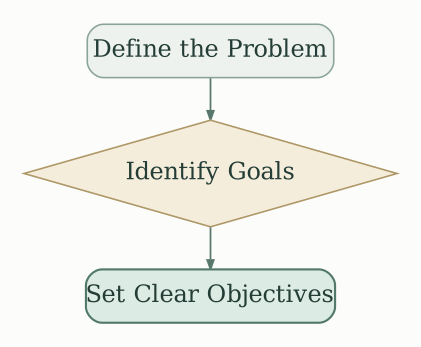
- Keywords: Problem definition, Goal setting, SMART goals (Specific, Measurable, Achievable, Relevant, Time-bound)
Gathering and Evaluating Information
Thorough information gathering is crucial. Consider multiple perspectives, research potential solutions, and analyze the pros and cons of each option. Don’t rely solely on intuition or gut feeling; back it up with data and evidence.
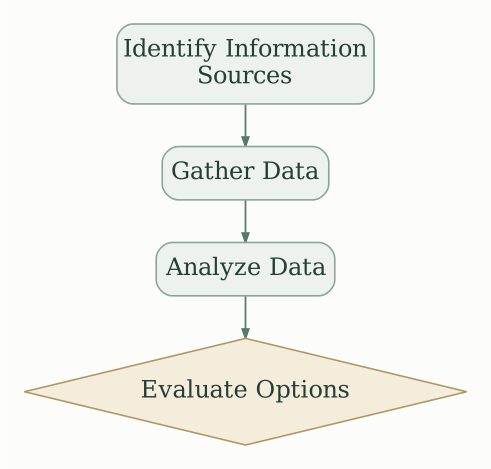
- Keywords: Research, Data analysis, SWOT analysis (Strengths, Weaknesses, Opportunities, Threats), Cost-benefit analysis
Identifying Biases and Cognitive Limitations
We are prone to cognitive biases – systematic errors in thinking that can affect our decision-making. Recognizing and mitigating these biases is essential.
- Common Biases: Confirmation bias (seeking information confirming pre-existing beliefs), Anchoring bias (over-relying on the first piece of information received), Availability heuristic (overestimating the likelihood of easily recalled events).
Decision-Making Frameworks
Various frameworks can help structure your decision-making process.
- Cost-Benefit Analysis: Weighing the potential costs and benefits of each option.
- Decision Matrix: A table listing options and criteria, allowing for a systematic comparison.
- Decision Tree: A visual representation of the possible outcomes of different choices.
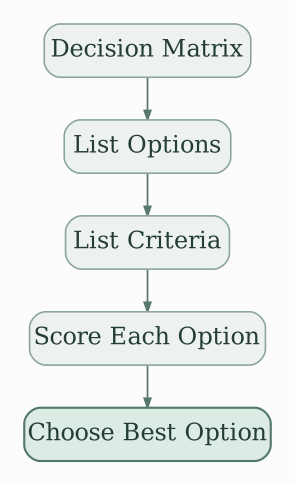
Considering Risks and Uncertainty
Few decisions are risk-free. Assess potential risks, develop contingency plans, and be prepared if circumstances change. Utilize tools like risk assessment matrices.
Seeking Input and Feedback
Don’t be afraid to seek advice from trusted sources. Diverse viewpoints can illuminate blind spots and offer insights. However, ultimately, you are responsible for your decisions.
Making the Decision and Taking Action
Once you’ve weighed the evidence and considered all factors, make a decision. Procrastination can be detrimental. After the decision is made, take decisive action to implement it.
Evaluating and Learning from Outcomes
After implementing your decision, take time to evaluate its effectiveness. What worked well? What could have been improved? Learning from past decisions is important for future success.
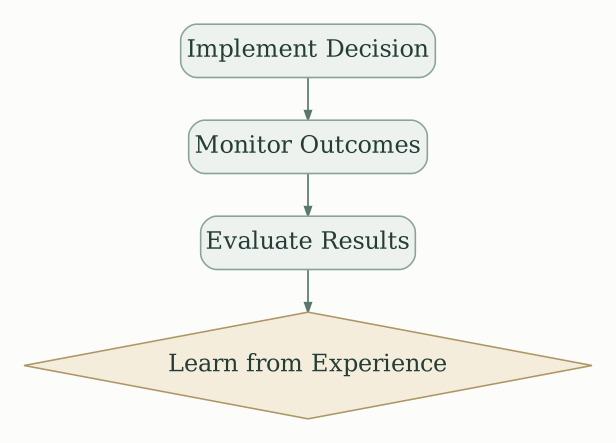
- Keywords: Post-decision review, Continuous improvement, Feedback loops
Developing Decision-Making Skills
Strong decision-making is a skill that can be honed over time. Practice, reflection, and continuous learning are key.
- Practice: Make decisions regularly, even small ones.
- Reflection: Analyze past decisions, both good and bad.
- Learning: Read books and articles on decision-making, attend workshops, and seek mentorship.
Embracing Uncertainty and Adaptability
Life is full of surprises. Develop the ability to handle unexpected events and changes in circumstances. Flexibility is a key attribute of successful decision-makers.
This expanded response provides an overview of decision-making strategies. While it doesn’t refer to a specific book, it addresses the core concepts you’d likely find in a guide on improving one’s decision-making skills. Remember to always tailor your approach to the specific context of your decisions.


