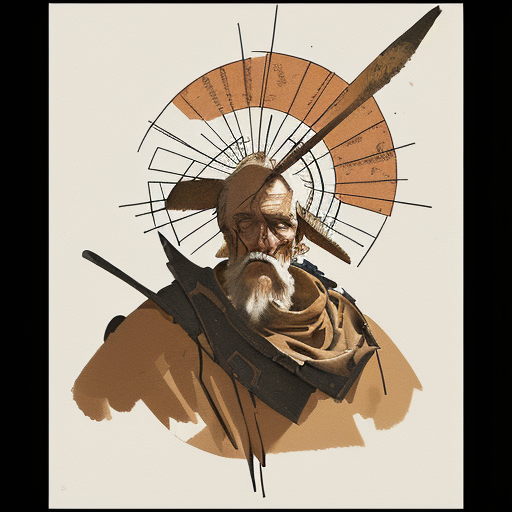
Don Quixote: A Summary and Analysis
The Main Plot and Characters
“Don Quixote,” Miguel de Cervantes’s masterpiece, follows the adventures of Alonso Quixano, an aging, impoverished gentleman from La Mancha, Spain. Consumed by his passion for chivalric romances, Alonso transforms himself into the knight-errant Don Quixote de la Mancha, embarking on a series of ill-conceived quests. He envisions a world brimming with damsels in distress, fearsome giants, and wicked enchanters, a reality shaped entirely by his fantastical readings. His faithful squire, Sancho Panza, a simple, pragmatic peasant motivated by the promise of governorship over an island, accompanies him on these escapades, providing a stark contrast to Don Quixote’s idealism.
The narrative unfolds through a series of episodes, each involving Don Quixote’s misinterpretations of ordinary events. Windmills become fearsome giants, sheep become enemy armies, and simple innkeepers become lords and ladies of enchanted castles. These encounters, often humorous and sometimes poignant, highlight the clash between Don Quixote’s fantastical world and the harsh realities of the mundane world. Throughout his journey, Don Quixote interacts with a various cast of characters, each serving to illuminate aspects of his personality and the novel’s themes. Dulcinea del Toboso, his idealized lady love, exists primarily in Don Quixote’s imagination, representing the unattainable perfection he seeks. The novel’s episodic structure allows for a varied exploration of human nature and societal norms of 17th-century Spain.
Motivations and the Central Conflict
Don Quixote’s primary motivation stems from his disillusionment with reality and his fervent desire for adventure and glory. He yearns to escape the monotony of his mundane existence and recreate the heroic narratives he’s consumed. His pursuit of chivalric ideals drives him to act in ways that seem irrational and even foolish to others. Sancho Panza, on the other hand, is motivated by self-interest and the promise of material gain, although his loyalty to Don Quixote grows throughout the novel, demonstrating the power of genuine human connection.
The central conflict in “Don Quixote” is the clash between Don Quixote’s idealized reality and the tangible, often harsh realities of the world. This conflict is not just external, but also internal, as Don Quixote wrestles with the growing awareness that his vision isn’t shared by others. The tension between fantasy and reality, idealism and pragmatism, shapes every interaction and event in the narrative. His persistent delusion creates conflict with the people he encounters, who often respond with amusement, pity, or exasperation. The novel explores the dangers of unchecked idealism and the importance of acknowledging reality.
Character Development, Growth, and Challenges
Don Quixote’s character undergoes a significant transformation throughout the novel. Initially, his idealism is unshakeable, his delusions complete. However, as the narrative progresses and he faces repeated disappointments, his convictions begin to waver. The constant clashes with reality chip away at his fantastical worldview. While he never completely abandons his chivalric ideals, his perception of reality slowly matures. He learns to distinguish between fantasy and reality, although the process is gradual and often painful. The impact of his experiences begins to shift his focus from achieving unrealistic goals to appreciating the human connections in his life.
Sancho Panza, too, develops significantly. Initially driven by the promise of an island governorship, he gradually becomes more loyal and empathetic towards Don Quixote. He evolves from a purely self-interested character to a friend and companion, recognizing the genuine goodness beneath Don Quixote’s delusion. He learns lessons about loyalty, friendship, and leadership, although his own pragmatic nature remains intact. Their relationship provides a powerful commentary on the complexities of human interaction.
Key Themes and Their Practical Applications
Several key themes emerge from “Don Quixote”:
The Power of Imagination: While Don Quixote’s imagination leads him astray, it also fuels his creativity and his pursuit of his dreams. In real life, this reminds us of the importance of creativity and imaginative thinking, even when faced with obstacles. Cultivating imagination and innovative solutions can be key to problem-solving and personal achievement in both professional and personal life.
The Illusion vs. Reality: Don Quixote’s struggle highlights the importance of distinguishing between fantasy and reality. In practical terms, this translates to a need for realistic self-assessment, careful planning, and the ability to adjust goals based on feedback and changing circumstances. Avoid unrealistic expectations and focus on attainable objectives.
Idealism vs. Pragmatism: The contrast between Don Quixote and Sancho Panza demonstrates the need for a balance between idealism and pragmatism. Idealism provides motivation and vision, while pragmatism ensures that goals are grounded in reality. A balanced approach enables effective leadership and successful project management.
The Importance of Human Connection: Despite his delusions, Don Quixote forms genuine bonds with Sancho Panza and other characters. This highlights the importance of relationships and empathy in our lives. Building strong relationships, fostering empathy and collaboration are essential for success in personal and professional settings. Effective leadership requires the ability to connect and motivate others.
The Pursuit of Meaning: Don Quixote’s misguided quest represents a search for meaning and purpose. This highlights the importance of discovering our individual passions and living in alignment with our values. Identifying our strengths and passions is important for career satisfaction and personal fulfillment.
Lessons and Morals
“Don Quixote” conveys many important lessons:
The value of balance: Finding a balance between idealism and pragmatism, fantasy and reality, is important for a fulfilling life. Overly idealistic approaches can lead to disappointment, while excessive pragmatism can stifle creativity and passion.
The power of perseverance: Don Quixote’s unwavering dedication, even in the face of adversity, is inspiring. However, perseverance must be coupled with realistic assessment and adaptability.
The importance of self-awareness: Don Quixote’s journey is one of self-discovery, highlighting the importance of understanding our strengths and limitations. Self-awareness is essential for personal growth and effective leadership.
Conclusion and Contemporary Relevance
“Don Quixote” remains strikingly relevant in the modern world. Its exploration of the conflict between fantasy and reality resonates deeply in a time of widespread access to information and social media’s often-distorted view of reality. The novel challenges us to critically examine our own perceptions, to be mindful of the limitations of our personal biases, and to a balanced approach to life’s challenges. The emphasis on human connection and the search for meaning transcends time, offering timeless wisdom applicable to both individual and collective experiences. By understanding and applying the lessons of “Don Quixote”, we can navigate contemporary challenges with greater awareness, empathy, and resilience. The novel encourages us to pursue our dreams, while grounding our actions in reality and fostering genuine human connections, reminding us of the importance of finding a fulfilling balance between our internal aspirations and the external world we inhabit.


