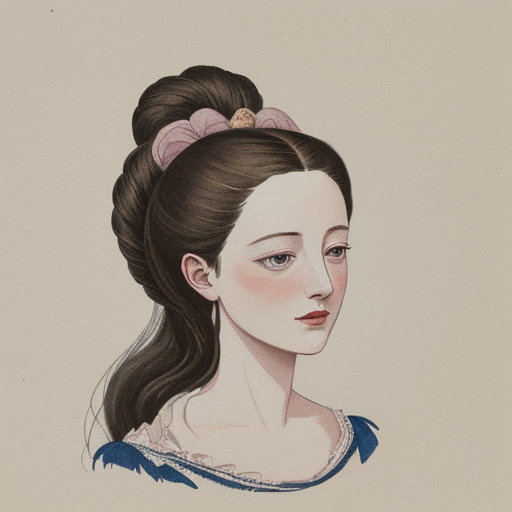
Madame Bovary: A Summary and Analysis
Gustave Flaubert’s Madame Bovary is a realist masterpiece depicting the life and tragic downfall of Emma Bovary, a young woman trapped by the limitations of provincial life and her own romantic fantasies. The novel unfolds as a detailed account of Emma’s dissatisfaction, her pursuit of idealized love and experiences, and the devastating consequences of her choices.
The Plot: A Descent into Despair
The story begins with Charles Bovary, a somewhat clumsy and well-meaning country doctor, marrying the naive and romantic Emma Rouault. Emma’s upbringing, filled with romantic novels and idealized visions of love, ill-prepares her for the mundane realities of married life in the small, uneventful town of Tostes. Disillusioned by her marriage to the simple and somewhat inept Charles, Emma finds herself yearning for a more exciting and passionate existence.
This yearning leads her into a series of adulterous affairs, initially with the charming but ultimately shallow Léon Dupuis, a law clerk, and later with the wealthy and self-absorbed Rodolphe Boulanger. Both relationships promise the fulfillment Emma craves, but both ultimately fail to meet her unrealistic expectations. Her affairs are not fueled by genuine love but by a pursuit of the idealized romantic notions she gleaned from literature.
As her financial situation deteriorates due to extravagant spending fueled by her desire to emulate an aristocratic lifestyle, Emma turns to increasingly desperate measures. Her pursuit of pleasure and status leads her further into debt and deception, culminating in a tragic end. The novel chronicles Emma’s escalating despair and the consequences of her choices, culminating in her suicide. Charles, initially oblivious to Emma’s betrayals, is left devastated by her death, his simple world shattered by complexities and pain he could never comprehend.
Primary Characters and Their Motivations
Emma Bovary: The central character, Emma is a complex and ultimately tragic figure. Her dissatisfaction stems from a fundamental mismatch between her romantic ideals, fueled by her reading of sentimental novels, and the realities of her life. She seeks escape from boredom and dissatisfaction through adulterous relationships, extravagant spending, and a pursuit of idealized beauty and luxury. Her motivations are driven by a deep-seated longing for passion, excitement, and a life far removed from the mundane reality of her existence. She is a victim of her own romantic illusions, ultimately unable to reconcile her fantasies with the realities of life.
Charles Bovary: Charles is a well-intentioned but somewhat inept and emotionally oblivious husband. His love for Emma is genuine, but his lack of understanding and his inability to fulfill her emotional and intellectual needs contribute to Emma’s unhappiness. He represents the limitations of provincial life and the lack of understanding that can fuel discontent and ultimately lead to tragedy.
Léon Dupuis: Léon represents a fleeting, romantic ideal for Emma. His charm and apparent sophistication provide a temporary escape from the monotony of her marriage, but his superficiality and lack of commitment ultimately disappoint her.
Rodolphe Boulanger: Similar to Léon, Rodolphe is a skilled seducer who initially fulfills Emma’s desires for passion and excitement, but his self-serving nature and eventual abandonment of Emma further contribute to her despair.
Key Themes and Central Conflict
The central conflict of Madame Bovary revolves around Emma’s internal struggle between her romantic fantasies and the realities of her life. This conflict manifests itself in her adulterous affairs, her extravagant spending, and her ultimate despair. Key themes include:
Romantic Idealism vs. Reality: This is the most prominent theme, highlighting the destructive power of unrealistic expectations and the gap between romantic fantasies and the mundane realities of life.
The Limitations of Provincial Life: The suffocating nature of provincial life in 19th-century France is depicted as a key factor contributing to Emma’s discontent.
Social Class and Aspiration: Emma’s pursuit of a higher social status reveals the destructive nature of social ambition and the limitations placed on individuals based on their social standing.
The Nature of Desire and Fulfillment: The novel explores the complexities of human desire and the elusive nature of fulfillment, showing how the pursuit of idealized love and happiness can lead to disillusionment and despair.
The Power of Illusion: Emma’s world is heavily shaped by her illusions and romantic fantasies, ultimately blinding her to the consequences of her actions.
Character Development and Resolution
Emma’s character arc is a descent into despair. Initially presented as a naive romantic, she gradually becomes more cynical and desperate as her attempts to find fulfillment in her relationships and social aspirations fail. Her character development is marked by a growing sense of disillusionment and a spiraling loss of hope. Charles, on the other hand, remains largely static throughout the novel. His emotional obliviousness and simple nature stand in stark contrast to Emma’s complexity and emotional turmoil. The resolution of the novel is tragic, with Emma’s suicide marking the culmination of her internal conflict and the shattering of her romantic illusions. Charles, left with nothing but his grief and memories, embodies the destructive consequences of Emma’s pursuit of an unattainable ideal.
Lessons and Moral Implications
Madame Bovary offers many important lessons applicable to real life:
The Importance of Realistic Expectations: Emma’s tragedy highlights the danger of pursuing unattainable ideals. Setting realistic goals and expectations in all aspects of life – relationships, career, and personal development – is important for preventing disappointment and despair.
Mindful Spending and Financial Responsibility: Emma’s financial recklessness contributes to her downfall. Developing sound financial habits and practicing responsible spending is vital for long-term stability and well-being.
Cultivating Healthy Relationships: The novel emphasizes the importance of honest communication and mutual understanding in relationships. Open communication, emotional intelligence, and the ability to compromise are essential for building strong and fulfilling relationships.
The Dangers of Self-Deception: Emma’s self-deception and her refusal to confront the realities of her life lead to her downfall. Self-awareness, honest self-reflection, and the willingness to confront difficult truths are important for personal growth and well-being.
Leadership through Empathy and Understanding: Charles’s lack of understanding of Emma’s emotional needs highlights the importance of empathy and emotional intelligence in leadership roles. Leaders who understand the needs and aspirations of their team members are more likely to create a positive and productive environment.
Contemporary Resonance and Overall Message
The themes of Madame Bovary – romantic idealism, societal expectations, and the pursuit of happiness – continue to appeal to contemporary society. The novel’s exploration of dissatisfaction, the search for fulfillment, and the consequences of unrealistic expectations remains relevant in a world where social media often presents idealized versions of reality. The novel serves as a cautionary tale against the dangers of chasing superficiality and the importance of finding fulfillment in authentic connections and realistic aspirations. The enduring power of Madame Bovary lies in its unflinching portrayal of human nature, its exploration of universal themes, and its enduring relevance to contemporary challenges. Its message is timeless: true happiness lies not in the pursuit of fleeting fantasies, but in a conscious effort to live a life aligned with one’s values and authentic self, acknowledging the complexities and imperfections in the human experience.


