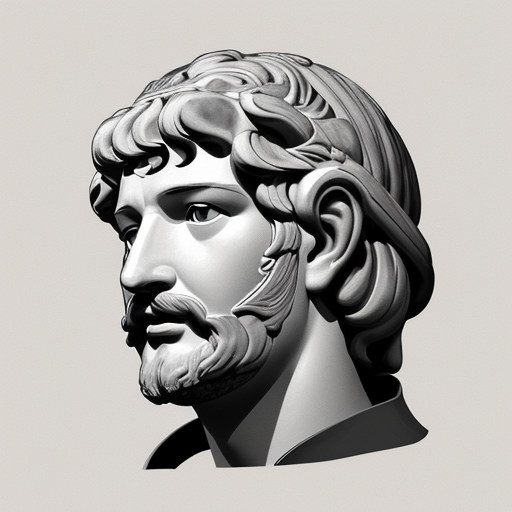
A Summary of Marguerite Yourcenar’s Memoirs of Hadrian
Marguerite Yourcenar’s Memoirs of Hadrian is not a traditional historical novel, but rather a philosophical meditation on life, power, death, and the human condition, disguised as the autobiography of the Roman Emperor Hadrian. The novel unfolds as a series of retrospective reflections penned by Hadrian on his deathbed, addressed to his adopted son and heir, Marcus Aurelius. It’s a poignant and introspective journey through Hadrian’s life, exploring his triumphs and failures, his loves and losses, and his ultimate reconciliation with mortality.
The Main Plot: A Life in Retrospect
The “plot,” if it can be called that, is not driven by external events but by Hadrian’s internal reflections. The narrative unfolds chronologically, starting from Hadrian’s youth, marked by a complex and challenging relationship with his adoptive father, Trajan, and progressing through his military campaigns, his political maneuvers, his numerous love affairs (both romantic and platonic), and finally, his declining years marked by illness and contemplation. Each stage of his life serves as a lens through which Hadrian examines his choices, his character, and the lasting impact of his actions. We witness his rise to power, his consolidation of the Roman Empire, his extensive travels throughout the empire, and the construction of his architectural marvels, all viewed through the filter of his aging perspective. The central “action” is the act of writing itself, a process of self-examination and reconciliation with his past.
Primary Characters and Their Motivations
Hadrian: The central character, Hadrian is a complex and multifaceted figure, far from the simple image of a ruthless emperor. He is driven by a deep-seated desire for knowledge, beauty, and understanding. He craves connection and meaning, but his power and position often isolate him. His motivations shift throughout the novel, from a youthful ambition for glory to a later yearning for peace and lasting legacy. He is driven by a deep sense of responsibility towards the empire and his people, but also by a profound personal loneliness.
Trajan: Hadrian’s adoptive father, and the emperor before him, is a pivotal figure in Hadrian’s life, even in death. Trajan represents both a source of inspiration and a shadow that Hadrian struggles to escape. Trajan’s stern and demanding nature shaped Hadrian’s ambition, but also instilled in him a sense of inadequacy and a constant need for approval.
Antinous: A beautiful young Bithynian boy, Antinous is one of Hadrian’s most significant loves. Their relationship transcends mere physical attraction, embodying Hadrian’s longing for intimacy, understanding, and shared intellectual pursuits. Antinous’s tragic death deeply affects Hadrian, becoming a turning point in his emotional and philosophical development.
Marcus Aurelius: The recipient of Hadrian’s memoirs, Marcus Aurelius represents the future of Rome and the continuity of Hadrian’s legacy. Hadrian’s choice of Marcus Aurelius as his successor reflects his desire for a just and wise ruler.
Other significant characters appear and fade throughout the narrative – lovers, advisors, political rivals – each contributing to Hadrian’s evolving understanding of himself and the world.
Key Themes and Central Conflict
The central conflict is not an external struggle but an internal one: Hadrian’s struggle with mortality, the fleeting nature of power, and the search for meaning in a life destined to end. Key themes include:
- The ephemeral nature of power and glory: Hadrian recognizes the limitations of imperial power and the ultimate insignificance of worldly achievements.
- The pursuit of knowledge and beauty: Hadrian’s fascination with art, philosophy, and architecture reflects his attempt to find solace and meaning beyond the realm of politics.
- Love and loss: Hadrian’s numerous relationships highlight the complexities of human connection and the enduring pain of loss.
- The acceptance of death: The novel culminates in Hadrian’s acceptance of his mortality, a process of profound self-reflection and reconciliation.
- The burden of responsibility: Hadrian’s reign is a constant negotiation between his personal desires and his responsibilities as emperor.
Character Development: Growth, Challenges, and Resolution
Hadrian’s journey is one of profound self-discovery. He begins as an ambitious young man, striving for recognition and power, haunted by his relationship with Trajan. As he ages, he grows increasingly disillusioned with the superficiality of power and the transience of worldly achievements. The loss of Antinous marks a turning point, leading to a deeper understanding of love, loss, and the limits of human control. His final years are characterized by a profound introspection and a gradual acceptance of death, culminating in a peaceful resignation to his fate. This development is not linear; it’s a complex, often contradictory process reflecting the intricacies of the human experience.
Lessons and Morals: Applying the Wisdom of Hadrian
The importance of self-reflection: Hadrian’s memoirs emphasize the value of self-examination and introspection for personal growth. In real life, regular self-reflection through journaling, meditation, or simply quiet contemplation can lead to greater self-awareness and more informed decision-making.
Finding meaning beyond power and material success: Hadrian’s disillusionment with worldly achievements underscores the importance of identifying and pursuing intrinsic values and goals. This can improve professional and personal fulfillment by focusing on purpose over prestige.
The value of genuine human connection: Hadrian’s relationships highlight the critical role of meaningful connections in a fulfilling life. Nurturing strong relationships requires commitment, empathy, and genuine communication.
Embracing mortality: Hadrian’s acceptance of death offers a model for confronting life’s inevitable end. Planning for the future while appreciating the present can provide a sense of peace and purpose.
Responsible leadership: Hadrian’s experience as emperor showcases the crucial aspects of responsible leadership – understanding human needs, making ethical decisions, and fostering a sense of community and shared purpose.
The Novel’s Overall Message and Contemporary Relevance
Memoirs of Hadrian remains profoundly relevant in our contemporary world. Its exploration of power, mortality, and the search for meaning resonates with our own anxieties and aspirations. The novel encourages critical self-reflection and a reassessment of our priorities in a world often obsessed with superficial achievements. Hadrian’s struggle with the burden of responsibility speaks to contemporary leaders grappling with ethical dilemmas and societal challenges. His search for meaning in the face of mortality offers solace and inspiration to individuals grappling with existential questions. Ultimately, the novel is a timeless testament to the complexities of the human spirit and the enduring search for meaning in a finite existence. It encourages us to live a life guided by genuine values, to appreciate the beauty and transience of existence, and to face death with grace and acceptance.


