Middlemarch: A Summary and Analysis
George Eliot’s Middlemarch: A Study of Provincial Life is a sprawling, multi-layered novel set in the fictional town of Middlemarch, England, during the 1830s. It weaves together the lives of numerous characters, exploring the complexities of personal ambition, societal expectations, and the interplay between individual desires and the larger forces of history. The novel eschews a single, linear plot, instead presenting a rich array of interconnected narratives that illuminate the themes of idealism versus realism, the limitations of human knowledge, and the impact of social structures on individual lives.
The Principal Characters and Their Motivations
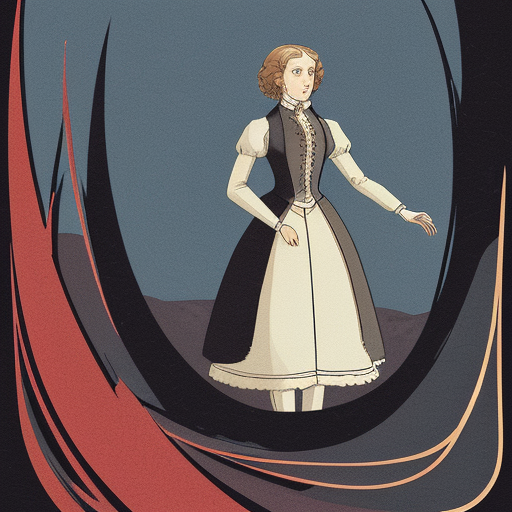
The novel centers around two primary storylines, interwoven throughout its pages. One follows Dorothea Brooke, a young, idealistic woman with a fervent desire for intellectual fulfillment and a passionate yearning for a meaningful life dedicated to improving the world. She marries the much older and seemingly learned Casaubon, a scholar working on a monumental, but ultimately flawed, scholarly work. Driven by her romantic idealism, she hopes to participate in his intellectual pursuits and contribute to a greater purpose. However, her marriage proves to be a disappointment, revealing Casaubon’s intellectual vanity and emotional sterility.
The second central storyline revolves around Tertius Lydgate, a brilliant young physician who arrives in Middlemarch with ambitious plans to reform the town’s medical practices and introduce modern scientific methods. He marries Rosamond Vincy, a beautiful but shallow and materialistic woman, whose extravagance and lack of understanding for his aspirations ultimately contribute to his financial ruin and professional disillusionment.
Other significant characters include:
- Edward Casaubon: Dorothea’s husband, a scholar consumed by his own work and lacking emotional depth. His motivations are primarily self-serving, driven by a desire for recognition and the completion of his magnum opus.
- Rosamond Vincy: Lydgate’s wife, prioritizing appearances and material comfort above intellectual pursuits or genuine emotional connection. Her motivations are largely self-centered, focusing on social status and personal gratification.
- Fred Vincy: Rosamond’s brother, a charming but irresponsible young man who struggles with debt and a lack of direction. His journey reflects the challenges of managing personal finance and finding a fulfilling career.
- Bulstrode: A wealthy and influential banker, whose past secrets and moral compromises gradually unravel, highlighting the complexities of maintaining a respectable public image.
Key Themes and Central Conflict
Middlemarch explores many interconnected themes:
- Idealism vs. Realism: Dorothea’s and Lydgate’s initial idealism clashes with the realities of Middlemarch’s provincial life. They both encounter the limitations of their ambitious plans and the difficulties in trying to reshape society. The novel doesn’t dismiss idealism, but it stresses the need for a balanced approach that acknowledges both aspiration and practical constraints.
- The Limitations of Human Knowledge: Casaubon’s scholarly pursuit highlights the incomplete and often flawed nature of human understanding. His inability to complete his magnum opus represents the limitations of intellectual ambition when divorced from practical application and human connection.
- The Power of Social Structures: The novel reveals how social class, gender, and financial constraints impact individual lives and limit opportunities. Dorothea’s choices, and those of other women in the novel, are largely determined by societal expectations. Similarly, Lydgate’s professional struggles are hampered by the limited resources and conservative attitudes within the medical community.
- Marriage and Relationships: The novel offers portrayals of various marital relationships, showcasing both the potential for love and companionship and the difficulties of compatibility, communication, and managing expectations. The contrasting marriages of Dorothea and Lydgate highlight the complexities of choosing a life partner and the potential consequences of mismatched aspirations.
- Moral Ambiguity and Hypocrisy: The characters in Middlemarch are not easily categorized as simply good or bad. Their actions are motivated by a mix of good and bad intentions, and the novel explores the gray areas of morality and the complexities of human behavior. Bulstrode’s character exemplifies this, demonstrating how public image can mask personal flaws and moral compromises.
The central conflict of the novel lies in the characters’ struggles to reconcile their personal ambitions with the limitations imposed by societal structures and the complexities of human relationships. Dorothea and Lydgate’s idealistic visions clash with the realities of their circumstances, leading to personal setbacks and disillusionment.
Character Development and Resolution
The novel emphasizes character development. Dorothea, initially naive and romantic, gradually matures through her experiences, learning to temper her idealism with a more realistic understanding of human nature and social limitations. Her second marriage, to Will Ladislaw, signifies a more balanced approach to life and a greater appreciation for the less glamorous aspects of meaningful engagement with the world. She finds fulfillment not in grand gestures but in smaller acts of kindness and commitment to her community.
Lydgate, too, undergoes a transformation. His initial ambitions are thwarted by financial difficulties and personal disappointments. He eventually finds a measure of success but in a less grandiose way than he initially envisioned. His journey shows the importance of adapting to unexpected setbacks and finding fulfillment in more modest achievements.
Other characters also undergo significant changes: Fred Vincy learns responsibility, while Bulstrode’s carefully constructed facade crumbles, revealing the consequences of moral compromise.
Lessons and Moral Implications
Middlemarch offers many lessons applicable to real-life situations:
- Manage Expectations: The novel cautions against unrealistic expectations, particularly in relationships and professional life. Both Dorothea and Lydgate suffered because their lofty ambitions were not grounded in practicality. This highlights the importance of setting realistic goals and acknowledging the limitations that exist in any endeavor.
- The Importance of Self-Awareness: The characters’ struggles highlight the importance of self-reflection and understanding one’s own strengths and weaknesses. This is important for effective decision-making and personal growth. Recognizing one’s limitations and adapting strategies accordingly can lead to greater success in both professional and personal spheres.
- The Value of Realistic Relationships: The novel highlights the need for compatibility and mutual understanding in relationships. Dorothea and Lydgate’s initial choices of partners demonstrate the importance of considering long-term compatibility over initial attraction or superficial qualities.
- Ethical Considerations in Leadership: Bulstrode’s downfall teaches the importance of ethical conduct and transparency in leadership positions. Maintaining integrity and accountability is essential for long-term success and maintaining trust.
- Embrace Adaptability: The characters’ journeys showcase the importance of adapting to changing circumstances. Life rarely unfolds according to plan, and the ability to adjust one’s strategies is essential for achieving lasting success and fulfillment.
Conclusion: Resonance with Contemporary Challenges
Middlemarch, despite its 19th-century setting, resonates profoundly with contemporary challenges and values. The novel’s exploration of idealism versus realism, the limitations of human knowledge, and the complexities of social structures remains highly relevant. In our increasingly complex world, the need for balanced ambition, self-awareness, ethical decision-making, and adaptability continues to be critical for individual and societal success. The novel’s portrayal of human relationships and moral ambiguity continues to challenge readers to reflect on their own lives and the complexities of the world around them, reminding us of the ongoing need to strive for a balance between personal aspirations and the realities of life within a complex social landscape. The emphasis on the interconnectedness of individual lives and the impact of social structures highlights the need for community engagement and collaborative efforts in addressing the challenges facing humanity today.


