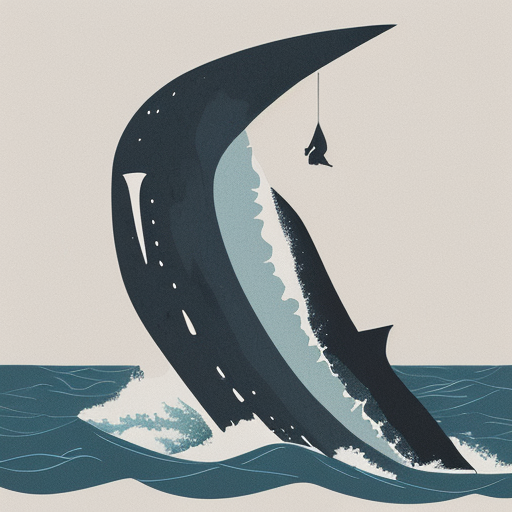
The White Whale’s Shadow: A Summary and Analysis of Moby-Dick
Herman Melville’s Moby-Dick is a sprawling epic, woven from adventure, philosophy, and a deep exploration of human obsession. More than just a tale of whaling, it’s a meditation on fate, revenge, and the limits of human understanding.
The Plot: A Chase Driven by Vengeance
The narrative unfolds primarily aboard the Pequod, a whaling ship captained by the monomaniacal Ahab. Driven by a vengeful desire to kill the white whale, Moby Dick, who on a previous voyage cost him a leg, Ahab compels his crew on an obsessive hunt across the globe. The story begins with Ishmael, the narrator, joining the Pequod, gradually learning about Ahab’s obsession and the crew’s various backgrounds and motivations. The voyage is punctuated by whale hunts, philosophical discussions, and increasingly ominous portents. Ahab’s pursuit overshadows all other considerations, transforming the Pequod into a vessel of doom. The novel culminates in the climactic confrontation with Moby Dick, resulting in the destruction of the Pequod and the death of most of the crew, including Ahab. Only Ishmael survives, clinging to a coffin and eventually narrating his tale.
Key Characters and Their Motivations: A Microcosm of Humanity
Captain Ahab: The central figure, Ahab represents unchecked ambition and the destructive nature of obsession. His pursuit of revenge blinds him to reason, morality, and the well-being of his crew. His singular focus on Moby Dick demonstrates the dangers of letting one’s past define one’s future.
Ishmael: The narrator and sole survivor, Ishmael provides a contrasting perspective to Ahab’s monomania. He represents the questioning, observing mind, capable of empathy and reflection. His survival can be interpreted as adaptability and resilience.
Starbuck: First Mate Starbuck represents morality and reason. He repeatedly tries to dissuade Ahab from his suicidal course, highlighting the conflict between duty and conscience. His internal struggle embodies the ethical dilemma of challenging authority when it veers towards self-destruction.
Queequeg: A harpooner from the Pacific Islands, Queequeg embodies a different worldview, one closer to nature and less bound by Western rationality. His friendship with Ishmael highlights the importance of cross-cultural understanding and acceptance. His pagan beliefs offer a counterpoint to Ahab’s obsessive pursuit of revenge.
Key Themes: Exploring the Depths of Human Nature
Obsession and Revenge: Ahab’s pursuit of Moby Dick is the central driving force of the novel. It shows the destructive power of obsession and the futility of seeking revenge. Ahab’s actions serve as a cautionary tale against the dangers of allowing anger and bitterness to consume one’s life.
Fate vs. Free Will: The novel explores the tension between predetermined destiny and individual agency. Is Ahab’s fate sealed from the moment he loses his leg, or does he choose his destructive path? This ambiguity compels readers to consider the interplay between chance and choice in their own lives.
Good vs. Evil: While not presented in a simplistic manner, the novel explores the ambiguity of moral boundaries. Moby Dick can be interpreted as a force of nature, neither inherently good nor evil, while Ahab’s actions clearly fall into self-destructive obsession. This portrayal forces readers to contemplate the complexities of moral judgment.
Knowledge and the Unknown: The vastness of the ocean and Moby Dick represent the limits of human knowledge and understanding. The whale hunt becomes a metaphor for humanity’s attempts to conquer and comprehend the uncontrollable forces of nature. This theme highlights the importance of accepting limits and respecting the unknown.
Character Development: A Journey of Self-Discovery
Ahab undergoes little positive character development; his journey is one of increasingly destructive obsession. He remains rigidly fixed in his purpose, unwilling or unable to see beyond his vengeful quest. Conversely, Ishmael experiences significant growth. He begins as an inquisitive observer, and his journey aboard the Pequod allows him to witness firsthand the consequences of Ahab’s actions, forcing him to confront his own mortality and the complexities of human nature. His survival allows him to narrate the story, highlighting his resilience and adaptability. Starbuck’s internal struggle reveals his moral compass and his capacity for compassion, even in the face of overwhelming odds.
Lessons and Morals: Practical Applications for Life
Managing Obsession: Ahab’s fate serves as a stark warning against allowing obsession to consume one’s life. Recognizing and addressing unhealthy obsessions is important for maintaining mental well-being and making sound decisions. This requires self-awareness, setting boundaries, and seeking support when necessary.
The Importance of Reason and Perspective: Starbuck’s attempts to reason with Ahab highlight the importance of maintaining perspective and allowing rational thought to guide actions, particularly in stressful situations. This applies to professional life by promoting sound judgment and strategic planning.
The Value of Adaptability and Resilience: Ishmael’s survival highlights the significance of adaptability and resilience in the face of adversity. Embracing change, learning from setbacks, and maintaining a positive attitude are essential for navigating life’s challenges, both personally and professionally.
The Power of Empathy and Understanding: Queequeg’s character demonstrates the value of empathy and understanding different perspectives. Cultivating empathy fosters better relationships, improves communication, and enhances leadership skills by encouraging collaboration and understanding various viewpoints.
Conclusion: A Timeless Resonance
Moby-Dick remains a powerful and relevant work today. Its exploration of obsession, revenge, and the human condition continues to connect with contemporary readers. The novel’s themes of unchecked ambition, the limits of knowledge, and the importance of perspective offer lessons applicable to modern challenges, such as environmental concerns, technological advancements, and the complexities of global relationships. Ahab’s catastrophic pursuit of revenge is a timeless cautionary tale, while Ishmael’s survival and narrative offer a message of resilience, adaptation, and the ongoing human quest for meaning in a complex world. The novel’s enduring power lies in its ability to provoke thought, challenge assumptions, and inspire reflection on the human condition.


