The Master and Margarita: A Summary and Analysis
Mikhail Bulgakov’s The Master and Margarita is a sprawling novel that defies simple categorization. It blends satire, fantasy, romance, and philosophical inquiry into a narrative unfolding in 1930s Moscow, juxtaposing the mundane realities of Soviet life with the surreal arrival of the devil and his entourage. The novel’s narrative structure, shifting between seemingly disparate storylines, creates a rich exploration of themes of good versus evil, faith, art, love, and the nature of truth.
The Main Plot: A Devilish Interruption in Moscow
The primary narrative centers on the arrival of Woland, the Devil, in Moscow, accompanied by his retinue: the mischievous cat Behemoth, the sardonic Azazello, and the enigmatic Koroviev. Their arrival disrupts the staid, bureaucratic world of Soviet Moscow, exposing its hypocrisy and corruption through a series of magical pranks and unsettling events. Woland’s presence serves as a catalyst, revealing the hidden flaws and desires within the characters he encounters. He orchestrates a chaotic theatrical performance, manipulates individuals to reveal their true selves, and ultimately holds a grand ball at the Master’s apartment. Meanwhile, the Master, a novelist who has written a controversial novel about Pontius Pilate, struggles with writer’s block, disillusionment, and the societal rejection of his work. His story intertwines with that of Margarita, his lover, who makes a Faustian bargain with Woland to secure his release and reunite with him.
Key Characters and Their Motivations
Woland: The Devil, presented not as a purely evil figure but as a force of chaos and truth, exposing the hypocrisies of society. His motivations are not malicious but observational, aiming to unveil the underlying realities of human nature.
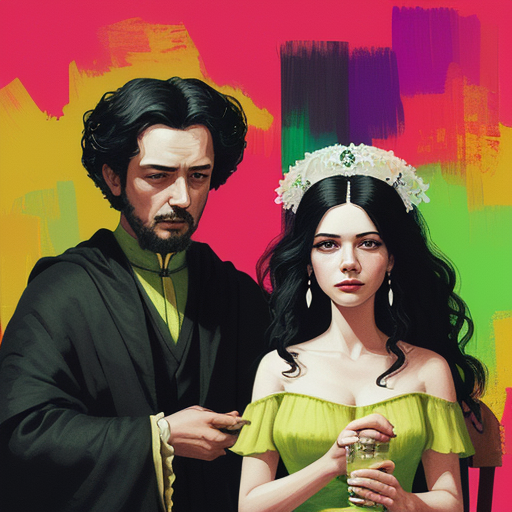
Margarita: The Master’s lover, a strong and passionate woman who transcends societal expectations to save her beloved. Driven by love and unwavering loyalty, she sacrifices her own well-being for the Master’s happiness, demonstrating a powerful devotion. Her character arc showcases the strength of love and the ability to overcome personal limitations for a higher purpose.
The Master: A disillusioned writer who confronts the societal rejection of his artistic expression. His motivation is to create art, even in the face of adversity, but he struggles with self-doubt and the fear of failure. His journey represents the internal struggle of the artist, grappling with criticism and the conflict between artistic integrity and societal acceptance.
Pontius Pilate: A historical figure brought to life in the Master’s novel and within Woland’s supernatural realm. He grapples with his conscience after condemning Yeshua Ha-Nozri (Jesus). His story explores themes of guilt, justice, and the burden of responsibility, revealing the eternal consequences of moral choices.
Yeshua Ha-Nozri: A wandering philosopher with teachings of love and truth, similar to Jesus Christ. His actions and words symbolize the power of faith, forgiveness, and the enduring human spirit in the face of injustice and persecution.
Key Themes and the Central Conflict
The central conflict is the ongoing battle between good and evil, not presented as a simplistic dichotomy but as a complex interplay of forces within individuals and society. Key themes include:
The Nature of Good and Evil: The novel avoids simplistic moral judgments. Woland, while representing evil, often acts as a catalyst for self-reflection and truth. Good and evil are not always clearly defined, existing as intertwined forces in human nature and society.
The Power of Love and Sacrifice: Margarita’s unwavering love for the Master and her willingness to make extraordinary sacrifices highlights the transformative power of love and devotion.
Art and Censorship: The Master’s struggle with the rejection of his novel reflects the conflict between artistic integrity and societal constraints. The novel explores the power of art to transcend limitations and the importance of creative freedom.
Truth and Illusion: Woland’s magic and manipulations reveal the hidden realities beneath the surface of societal appearances. The novel questions the nature of truth and the subjective experience of reality.
Faith and Belief: Yeshua’s teachings include forgiveness, compassion, and the importance of faith, even in the face of suffering. The novel explores the various forms and interpretations of faith.
Character Development and Resolution
The characters undergo significant transformations throughout the novel. The Master, initially defeated and disillusioned, finds redemption through Margarita’s love and Woland’s intervention. He ultimately accepts his fate and finds peace. Margarita’s unwavering loyalty solidifies her strong character. While she engages in magical practices, her compassion and courage remain unmatched. Pontius Pilate, haunted by his past, finds a measure of peace through his encounter with Yeshua and the Master’s novel. His journey is one of confronting regret and finding reconciliation. Woland, the enigmatic Devil, ultimately accepts his role in maintaining the cosmic balance. He disappears, leaving behind the revelation of truth and the consequences of choices.
Lessons and Moral Applications
Embrace vulnerability and authenticity: The Master’s vulnerability allows him to find healing and redemption. In our lives, embracing authenticity and allowing ourselves to be vulnerable can deepen connections and personal growth.
The Power of unwavering love and commitment: Margarita’s unwavering commitment demonstrates the transformative power of unconditional love. Applying this in our relationships – personal or professional – requires consistent effort and dedication.
Resilience in the face of adversity: The Master’s persistence despite rejection showcases the importance of resilience. In professional settings, this translates to perseverance in overcoming setbacks and maintaining a positive mindset.
The importance of truth and integrity: Woland’s actions expose the hypocrisy of societal structures, emphasizing the need for honesty and moral integrity in both personal and professional life. Maintaining integrity builds trust and respect.
Self-reflection and moral accountability: Pilate’s journey highlights the significance of acknowledging and accepting responsibility for our actions. This is important for effective leadership and personal growth.
The Novel’s Message and Contemporary Relevance
The Master and Margarita offers a timeless exploration of human nature, confronting complex questions about morality, faith, and the search for meaning. Its examination of societal hypocrisy and the dangers of censorship remain highly relevant in contemporary society, where issues of truth, artistic expression, and political power continue to resonate. The novel’s enduring appeal stems from its ability to engage readers intellectually and emotionally, prompting introspection and challenging established notions of good and evil. Its themes of love, perseverance, and the enduring power of the human spirit offer solace and inspiration in a world often marked by uncertainty and conflict. The novel’s message is a call for self-reflection, a reminder of the importance of love and compassion, and a challenge to confront the darkness within ourselves and the world around us. The enduring power of art and the pursuit of truth despite personal sacrifice remain powerful reminders to strive for our ideals, even when facing overwhelming adversity.


