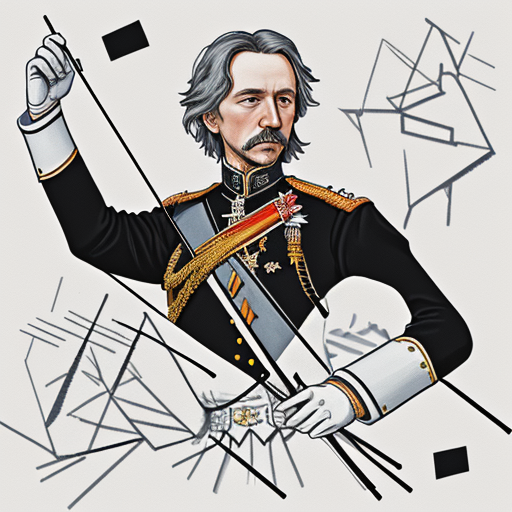
The Radetzky March: A Summary and Analysis
Joseph Roth’s The Radetzky March is a sweeping saga spanning generations of the Trotta family, intimately entwined with the decline of the Austro-Hungarian Empire. The novel masterfully weaves a tapestry of personal destinies against the backdrop of historical upheaval, exploring themes of loyalty, duty, honor, chance, and the ephemeral nature of power and glory.
The Plot: A Legacy Unraveling
The narrative begins with the pivotal moment of the Battle of Solferino in 1859, where Franz Troppa, a simple sergeant, unexpectedly saves the life of Emperor Franz Joseph. This act of valor catapults him from obscurity to a position of privilege, earning him a noble title and the prestigious Radetzky March as his family’s coat of arms. This fortuitous event lays the foundation for the Trotta family’s upward mobility, and the novel follows its trajectory for three generations.
Franz Troppa, initially a man of humble origins, uses his newfound status strategically, ensuring the family’s social and economic elevation. His son, Carl, inherits this position but struggles with the weight of expectation and the moral compromises inherent in navigating the increasingly fragile empire. Carl’s rigid adherence to the outdated values of the old regime ultimately leads to his downfall. Finally, the narrative culminates with Carl’s son, Joseph, who finds himself adrift in the chaos of the collapsing empire, unable to reconcile his father’s legacy with the changing world order. The final chapter mirrors the opening, revealing Joseph’s unexpected and tragic demise, highlighting the cyclical nature of fate and the ultimate futility of clinging to a dying world.
Key Characters and Their Motivations
Franz Troppa: The novel’s founder, Franz is a man of simple virtues and strong loyalty. His accidental act of heroism earns him power and status, but he remains grounded by his humble origins. His motivations center on providing a better life for his family, which he achieves through shrewd social maneuvering and adherence to the established order.
Carl Trotta: Carl represents the second generation, inheriting the legacy but lacking the pragmatism and adaptability of his father. Driven by a rigid sense of duty and honor, instilled in him by his father and the Austro-Hungarian military tradition, Carl struggles to cope with the changing times. He is inflexible and unwilling to compromise, ultimately leading to his downfall. His motivation stems from upholding his family’s honor and adhering to a dying code of conduct.
Joseph Trotta: The third generation epitomizes the disintegration of the empire and its accompanying values. Joseph, unlike his father and grandfather, is a product of societal upheaval. His life lacks the clear trajectory of his ancestors, and he grapples with a lack of identity and purpose. He yearns for stability and meaning in a world that denies both. His motivations shift from a desire for the comfortable life he knew to a yearning for something deeper and more fulfilling, a yearning he ultimately fails to satisfy.
Other significant characters, such as Carl’s wife, Maria, and Joseph’s numerous acquaintances, provide contrasting perspectives on the changing social landscape and further complicate the Trotta family’s narrative.
Central Conflict and Themes
The central conflict revolves around the clash between tradition and modernity, and the subsequent disintegration of the Austro-Hungarian Empire. This conflict manifests itself in the individual struggles of the Trotta men, reflecting the broader societal turmoil. The novel examines several key themes:
The Ephemeral Nature of Power and Glory: The family’s rise and fall vividly illustrate how even seemingly secure positions can be fleeting. Franz’s accidental heroism leads to transient glory, highlighting the unpredictable nature of fortune.
The Weight of Legacy and Expectation: Carl’s life is dominated by the legacy he inherits and the expectations associated with it. He grapples with the burden of upholding a fading world order. Joseph similarly struggles with his father’s shadow and the collapse of his family’s former position.
Loyalty and Duty: The novel explores varying degrees of loyalty, from Franz’s simple devotion to the Emperor to Carl’s unwavering adherence to a rigid moral code. The ultimate question posed is whether blind loyalty serves a purpose in a changing world.
Chance and Fate: Franz’s initial act of heroism underscores the role of chance in shaping destiny. The novel continuously emphasizes the unpredictable nature of life and the lack of control individuals ultimately have over their own fates.
Identity and Belonging: Joseph’s search for identity in a dissolving world reflects a wider crisis of belonging. The collapse of the Empire leaves many adrift, uncertain of their place in the new order.
Character Development and Resolution
The character development in The Radetzky March is meticulously crafted, tracing the impact of historical events on the individual lives of the Trotta men. Franz exhibits a relatively simple character arc; he is ambitious but grounded. Carl undergoes a more complex development, starting as a man of principle but ultimately becoming rigid and unadaptable. His story serves as a cautionary tale against blind adherence to tradition. Joseph’s development is the most tragic, ending in death without finding stability or purpose. His arc highlights the difficulties of forging an identity in a world devoid of established order. None of them ultimately achieve a sense of true resolution; their stories are left incomplete, mirroring the unresolved state of the collapsing Empire.
Lessons and Moral Implications for Real Life
Adaptability and Resilience: The novel serves as a powerful reminder of the need for adaptability in a constantly changing world. Carl’s inflexibility underscores the dangers of clinging to outdated values and refusing to adjust to new circumstances. This translates to the real world by emphasizing the importance of continuous learning, embracing change, and developing resilience in the face of adversity. This applies to both personal and professional spheres. In professional life, adapting to new technologies and market trends is vital. In personal life, being flexible in relationships and open to new experiences contributes to well-being.
The Dangers of Unquestioning Loyalty: Carl’s unwavering loyalty to a crumbling system ultimately leads to his ruin. This highlights the importance of discerning loyalty – prioritizing values over blind allegiance to institutions or individuals. In professional settings, this translates to questioning unethical practices and prioritizing ethical considerations. In personal relationships, it implies maintaining independent judgment and not sacrificing personal integrity for the sake of maintaining a connection.
The Importance of Purpose and Meaning: Joseph’s search for meaning exemplifies the vital role of purpose in life. Identifying personal values and goals provides direction and helps navigate life’s uncertainties. In both personal and professional domains, setting clear goals, pursuing passions, and defining one’s purpose enhances satisfaction and resilience.
Accepting the Unpredictability of Life: The novel’s emphasis on chance and fate reminds us to accept life’s unpredictable nature. While planning and effort are crucial, accepting that outcomes are not always within our complete control leads to better emotional management and resilience.
Understanding Legacy: The Trotta family’s legacy highlights the importance of creating positive and sustainable legacies. This goes beyond material wealth to encompass values, relationships, and actions. In personal development, this underscores the importance of focusing on the impact we have on others and the contributions we make to society. In leadership, it stresses the creation of a positive work environment and nurturing the development of those we lead.
Contemporary Relevance and Conclusion
The Radetzky March remains remarkably relevant today. The themes of societal upheaval, the struggle for identity, and the ephemeral nature of power resonate deeply in a world grappling with rapid globalization, political instability, and technological transformation. The novel’s cautionary tale against rigid adherence to outdated values serves as a timely warning against clinging to ideologies that no longer serve the needs of the present. The search for purpose and meaning, so central to Joseph’s struggle, mirrors the contemporary quest for identity and belonging in an increasingly fragmented and interconnected world. Ultimately, The Radetzky March is a profound exploration of human resilience, the unpredictable nature of fate, and the enduring search for meaning in a world constantly in flux. It is a testament to the enduring power of narrative to illuminate both the past and the present, offering valuable lessons applicable to both personal and professional lives.


