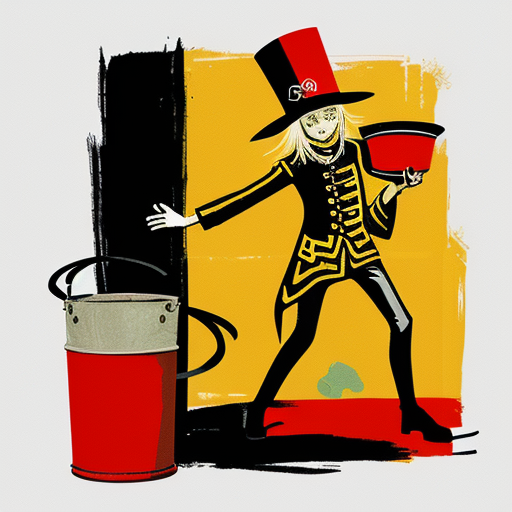
The Tin Drum: A Summary and Analysis
The Main Plot and Characters
Günter Grass’s The Tin Drum unfolds as a sprawling, darkly comedic, and often surreal narrative chronicling the life of Oskar Matzerath, a Danzig native who chooses to remain three years old by refusing to grow and employing a piercing scream to halt the progress of anyone attempting to make him do so. This unconventional choice frames his perspective on the tumultuous events surrounding World War I and II, the rise of Nazism, and the disintegration of German society.
The novel is structured non-linearly, weaving between Oskar’s childhood memories, his adult reflections, and the broader historical context of Danzig and Poland. Oskar’s refusal to grow is not merely a physical manifestation but a powerful act of rebellion against the adults and the world around him, a world he sees as increasingly corrupt and violent.
Key characters intertwine with Oskar’s life, shaping his experiences and contributing to his worldview:
Oskar Matzerath: The protagonist, a complex and deeply cynical character, who wields his refusal to grow and his piercing scream as instruments of both defiance and manipulation. While seemingly childish, he possesses remarkable perception and intelligence, using his “childhood” as a protective shield and a means of observing the adult world’s flaws. His primary motivation is to escape the horrors and moral compromises of the adult world, ultimately finding a twisted form of control through his non-growth.
Agnes Matzerath: Oskar’s mother, a beautiful and alluring woman entangled in a web of complex relationships. She’s portrayed as both victim and perpetrator, reflecting the moral ambiguities of the era. Her desires and actions influence Oskar’s life and contribute to his rebellious nature.
Alfred Matzerath: Oskar’s father, a somewhat hapless and ineffectual figure, overshadowed by his wife and often absent from Oskar’s life. His character represents the lack of male authority and the breakdown of traditional family structures.
Jan Bronski: A Polish friend of the Matzerath family, he represents a contrasting cultural perspective. His presence highlights the political tensions and nationalist fervors that define Oskar’s world.
Sister and Brother of Oskar: They too are subject to the chaos of the times and are impacted by the choices of the adults in their life. The fragmented family relationships contribute to Oskar’s alienation.
Key Themes and Central Conflict
The central conflict in The Tin Drum is Oskar’s rebellion against a world he perceives as irredeemably flawed. This rebellion takes many forms, ranging from his physical refusal to grow to his darkly comedic observations and manipulations. The novel explores many overarching themes:
The Destruction of Innocence: The novel vividly portrays the loss of innocence during wartime and the pervasive corruption that accompanies political and social upheaval. Oskar’s refusal to grow can be interpreted as an attempt to preserve his innocence in the face of overwhelming brutality.
The Absurdity of War and Politics: Grass satirizes the pomp and circumstance surrounding war and politics, revealing the irrationality and self-serving motivations that drive them. Oskar’s actions and perspective highlight the absurdity of human conflict and political maneuvering.
The Nature of Identity and Perception: The novel questions the subjective nature of truth and perception. Oskar’s unique perspective – that of a perpetually three-year-old – challenges conventional narratives and exposes the contradictions and inconsistencies within the adult world.
Guilt and Responsibility: The novel grapples with the weight of individual and collective guilt, specifically related to the Holocaust and the actions of Germany during World War II. While Oskar participates in destructive acts, his youth and perspective raise questions about the culpability of individuals caught in historical forces beyond their control.
Family Dysfunction and Social Decay: The dysfunctional family dynamics, marked by adultery, secrets, and absence, reflect broader societal decay and moral disintegration. The novel’s narrative mirrors the breakdown of family, community, and nation.
Character Development and Resolution
Oskar’s character development is unconventional. While he remains physically three years old, his mental and emotional growth is significant. He evolves from a naive child to a cynical observer, acutely aware of the world’s complexities and its darker aspects. His initial innocence is gradually eroded by his experiences, yet his refusal to grow remains his primary mode of resistance.
His relationships with other characters, particularly his mother and Jan Bronski, shape his development. He becomes increasingly detached and manipulative, using his “childhood” as a tool to control and criticize the adults around him. While there’s no conventional resolution for Oskar’s personal conflict, the novel concludes with a sense of resignation, acceptance, and perhaps a strange peace stemming from the acknowledgment of his inability to truly change the world.
Lessons and Morals and their Application
The Tin Drum offers many lessons applicable to real-life situations:
The Importance of Critical Thinking: Oskar’s perceptive observations underscore the need for critical analysis in navigating complex situations. In both personal and professional spheres, evaluating information objectively and questioning assumptions are important for sound decision-making.
The Power of Self-Awareness: Oskar’s understanding of his own strengths and limitations, though expressed in an unconventional way, highlights the importance of self-awareness. This is key to setting realistic goals, identifying personal blind spots, and seeking personal growth.
The Need for Ethical Responsibility: The novel’s exploration of guilt and responsibility emphasizes the individual’s moral obligations. In leadership roles and personal relationships, recognizing the potential impact of one’s actions and upholding ethical standards is vital.
The Importance of Healthy Relationships: The dysfunctional family dynamics in the novel contrast sharply with the positive influence of Jan Bronski, highlighting the importance of nurturing healthy and supportive relationships. Building strong relationships – based on trust, respect, and empathy – is important for emotional well-being and success in all areas of life.
Resilience in the Face of Adversity: Oskar’s survival in the midst of chaos demonstrates resilience. Learning to adapt, cope with stress, and persevere despite challenges is critical to achieving personal and professional goals.
Conclusion: Resonances with Contemporary Challenges
The Tin Drum remains relevant today because its exploration of themes such as political corruption, the fragility of peace, and the dangers of unchecked nationalism continues to resonate. The novel’s depiction of the rise of extremism and the devastating consequences of war offers a cautionary tale for contemporary audiences, particularly given the ongoing political tensions and social divisions worldwide.
Grass’s satirical lens, while darkly comedic, allows him to expose the hypocrisy and moral failings of individuals and institutions. This approach challenges readers to critically examine their own complicity in upholding systems that perpetuate injustice or overlook ethical shortcomings. While the narrative is set in a specific historical context, the moral ambiguities it explores remain profoundly relevant in addressing contemporary social and political challenges. The lessons of critical thinking, ethical responsibility, and the importance of healthy relationships are all important in navigating the complexities of modern life, reminding us to actively question the status quo and strive for a more just and equitable world.


