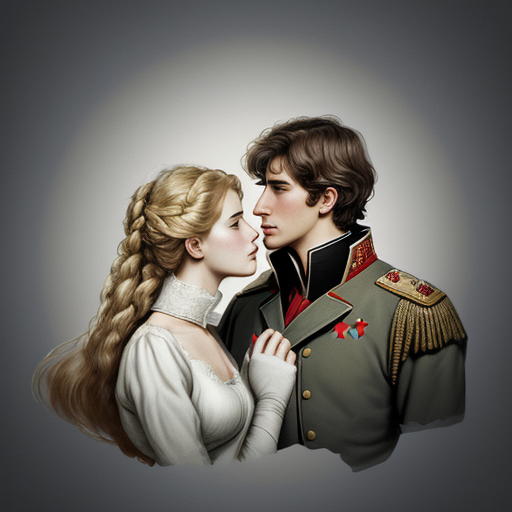
War and Peace: A Summary and Analysis
Leo Tolstoy’s War and Peace is an epic novel sprawling across the tumultuous years of Napoleonic France’s invasion of Russia. It’s not merely a historical account of war, but an exploration of life, love, death, and the search for meaning amidst chaos. The narrative intertwines the lives of many aristocratic Russian families, primarily the Bezukhovs, the Bolkonskys, and the Rostovs, showing how their individual journeys are shaped by both the grand events of history and the intimate dramas of personal experience.
The Main Plot and Characters
The central plot revolves around the Napoleonic Wars and their impact on Russian society. The narrative unfolds through the interwoven stories of many key characters:
Pierre Bezukhov: An illegitimate son who inherits immense wealth, Pierre is initially naive and searching for meaning in life. His journey is marked by idealism, disillusionment, Freemasonry, and ultimately, a path towards genuine faith and personal fulfillment found in simple acts of kindness and family.
Andrei Bolkonsky: A proud and ambitious prince, Andrei initially seeks glory on the battlefield but experiences disillusionment after witnessing the brutality of war. His search for meaning leads him through various relationships and experiences, culminating in a renewed appreciation for simple family life and a more humble understanding of his own mortality.
Natasha Rostova: A vibrant and passionate young woman, Natasha embodies the spirit of youthful exuberance. Her emotional journey is marked by intense love, devastating loss, and eventual growth into a mature and compassionate woman. Her experiences teach her about the complexities of love, the importance of family, and the enduring power of forgiveness.
Sonya Rostova: Natasha’s cousin, Sonya is a kind and self-sacrificing woman who embodies duty and loyalty. Her unrequited love for Nikolai demonstrates the challenges of selfless devotion and the acceptance of unfulfilled desires.
Nikolai Rostov: A young man eager to join the army, Nikolai’s journey involves learning about courage, responsibility, and the challenges of managing his family’s estate. His growth involves confronting his youthful impulsiveness and developing into a responsible and mature head of the family.
Key Themes and Central Conflict
The central conflict of War and Peace is multifaceted:
The individual versus history: The novel explores how individual lives are shaped by the larger historical forces beyond their control. The characters’ experiences with war and its consequences highlight the impact of historical events on personal destinies.
The search for meaning and purpose: The characters’ quest for meaning underlies much of the narrative. They grapple with questions of faith, love, death, and the purpose of life, seeking fulfillment in different ways.
Love and family: The novel emphasizes the importance of love, family bonds, and the strength derived from human connection. The relationships between the characters demonstrate the complex dynamics of familial ties and the power of love to sustain individuals through hardship.
War and its consequences: The novel vividly portrays the horrors of war, highlighting its devastating impact on both individuals and society. It serves as an indictment of war’s senseless violence and destruction.
The nature of freedom and responsibility: Tolstoy explores the tension between individual desires and social responsibilities. The characters struggle with the need to balance their personal aspirations with their obligations to their families and society.
Character Development and Resolution
The novel is a masterclass in character development. Each character undergoes significant transformation. Pierre’s journey from naïve idealism to spiritual maturity is perhaps the most striking example. Andrei’s disillusionment with war and his subsequent growth towards humility and family life also illustrate the theme of personal development. Natasha’s emotional journey shows the transition from impetuous youth to a more grounded and understanding adult. Even minor characters experience growth and change, reflecting the novel’s panoramic view of human experience.
Lessons and Morals: Applying Tolstoy’s Wisdom to Life
War and Peace offers many life lessons that are surprisingly relevant even today.
Embrace simplicity and authenticity: Pierre’s eventual happiness comes from embracing simple pleasures and genuine relationships rather than pursuing worldly achievements. This teaches us to focus on authentic connections and experiences over superficial goals. In professional life, this translates to prioritizing integrity and collaboration over ruthless ambition.
Learn from failures and setbacks: The characters’ mistakes and hardships lead to significant personal growth. This highlights the importance of accepting failure as a learning opportunity. In any field, resilience is built through overcoming challenges, understanding mistakes, and using them as stepping stones to success.
Cultivate strong relationships: The power of family and strong interpersonal relationships is consistently emphasized. Nurturing close ties brings emotional resilience, support, and a greater sense of belonging. This is applicable to personal and professional life, where teamwork and supportive networks are important for success.
Find meaning beyond worldly pursuits: The characters’ search for meaning suggests that lasting fulfillment is found not in material success but in meaningful relationships, acts of kindness, and a sense of purpose. This encourages us to prioritize values over material possessions and to find a deeper sense of meaning in our work and personal lives.
Embrace humility and empathy: Andrei’s transformation from pride to humility shows the importance of empathy and a selfless understanding of others. Effective leadership and strong relationships are built on empathy and an understanding of various perspectives.
Conclusion: Resonance with Contemporary Challenges
War and Peace’s message resonates strongly with contemporary concerns. The themes of war, social injustice, and the search for meaning continue to be highly relevant in a world facing similar challenges. The novel’s exploration of human nature, its capacity for both good and evil, and the importance of compassion remains timeless. It challenges us to question our priorities, and to strive for a more meaningful existence. The enduring power of family, the importance of learning from mistakes, and the need for empathy are timeless lessons that transcend historical context, offering guidance for navigating the complexities of modern life, both personally and professionally. The novel serves as a reminder that true fulfillment lies not in the pursuit of fleeting glory but in the cultivation of meaningful relationships, personal growth, and a commitment to living a life of purpose and integrity.


