
The Tarahumara and the Quest for Natural Running
“Born to Run” by Christopher McDougall chronicles McDougall’s journey to discover the secrets of the Tarahumara, a Native American tribe residing in the Copper Canyons of Mexico, renowned for their incredible long-distance running abilities. The book isn’t just an anthropological study; it’s a quest for a better way to run, and ultimately, a better way to live. McDougall’s investigation challenges conventional wisdom about running and its potential impact on the body.
Debunking Running Myths: The Impact of Modern Running
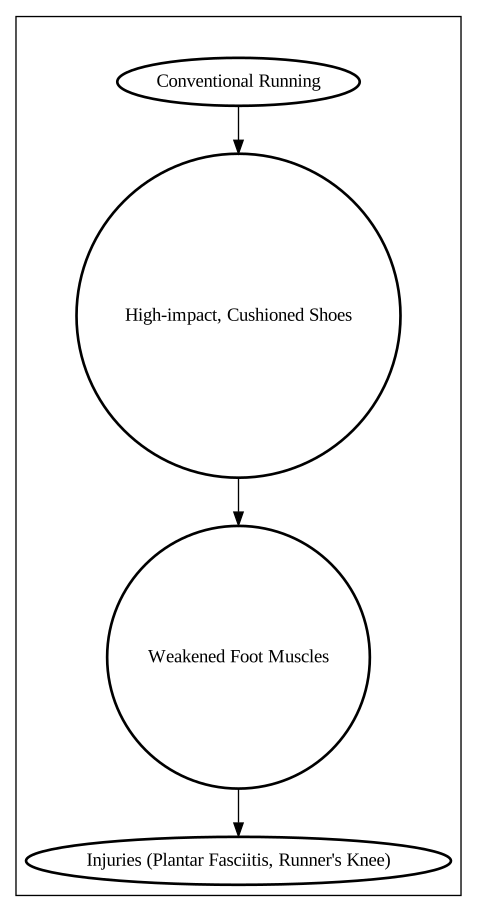
McDougall highlights the prevalent running injuries and discomfort experienced by many runners, attributing this to modern running techniques and footwear. He argues that conventional running shoes, with their cushioning and support, actually weaken the foot’s intrinsic muscles, increasing the risk of injuries like plantar fasciitis and runner’s knee. The book uses anecdotal evidence and research to challenge the widely held belief that heavily cushioned shoes are essential for protecting the body during runs.
The Tarahumara Way: Minimalist Running and Barefoot Running
The book introduces the Tarahumara’s running style: minimal footwear (often just sandals or even barefoot running), a relaxed cadence, and a natural, midfoot strike. They run incredible distances without apparent injury, leading McDougall to question the effectiveness of modern running techniques. This contrasts sharply with the common “heel striking” prevalent in modern runners.
graph LR
    A[Tarahumara Running] --> B(Minimalist Footwear);
    B --> C(Midfoot Strike);
    C --> D(Relaxed Cadence);
    D --> E(Reduced Impact);
    E --> F(Fewer Injuries);
Actionable Insights: Shifting Your Running Paradigm
The key takeaway is a shift towards a more natural, minimalist approach to running. This involves:
- Minimalist Footwear: Transitioning to minimalist shoes or even barefoot running gradually, allowing your feet to strengthen and adapt. This isn’t an immediate switch, but a progressive process.
- Midfoot Strike: Focusing on landing midfoot, rather than heel striking, to reduce impact and utilize the body’s natural shock absorption system.
- Cadence: Increasing cadence (steps per minute) to shorten your stride length and minimize impact.
- Strengthening intrinsic foot muscles: Engaging in exercises that strengthen the small muscles in your feet to improve stability and balance. This can involve picking up marbles with your toes or performing calf raises.
Beyond Running: The Approach to Wellbeing
The book transcends running; it touches upon the Tarahumara’s lifestyle. Their approach to life, deeply intertwined with running, offers understanding of health and well-being.
- Community and Social Running: The Tarahumara run together, fostering a sense of community and shared experience. This emphasizes the social aspect of running, transforming it from an individual pursuit to a shared activity.
- Simple Diet: Their diet is largely plant-based, incorporating nutritious foods readily available in their environment. This highlights the role of nutrition in optimal performance and overall health.
- Mindful Movement: Their running isn’t just about speed or distance; it’s a meditative practice, allowing them to connect with nature and themselves. This emphasizes the mental benefits of running beyond physical fitness.
The Importance of Gradual Transition
McDougall stresses the importance of a gradual transition to minimalist running. It’s not about suddenly switching to barefoot running; it’s about progressively building up the strength and endurance of your feet and lower legs. This prevents injuries and allows your body to accommodate the new running style.
Listening to Your Body
The book emphasizes the role of listening to your body. Pain isn’t always an indication of progress; it’s often a warning sign. Respecting your body’s limits and adjusting your training accordingly is vital to avoid injuries.
Mental Fortitude and Endurance
Beyond the physical aspects, the book highlights the mental strength and endurance of the Tarahumara runners. Their ability to run for such long distances speaks to their mental resilience and capacity for perseverance, emphasizing the importance of mental training and mindset in achieving athletic goals.
The “Born to Run” Philosophy: A Lifestyle Change
“Born to Run” isn’t just about improving your running form; it’s about adopting a lifestyle that prioritizes natural movement, mindful living, and connection with nature. The key message is to adopt an approach to health and well-being, drawing inspiration from the Tarahumara’s philosophy of running and life. This means integrating a mindful approach to all aspects of life, from diet and exercise to social interactions and spiritual well-being. It encourages a critical examination of modern life’s impact on our bodies and encourages a return to more natural and fulfilling ways of living. The book inspires readers to find their own “run,” both literally and metaphorically, and to a healthier and more fulfilling existence.


