
Understanding the Problem: The Three Conversations
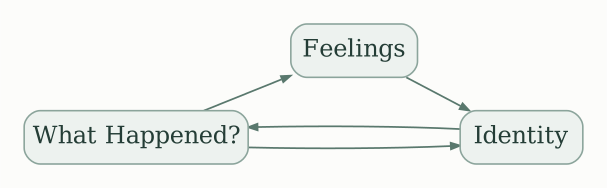
Difficult conversations are rarely about the single event at hand. Instead, “Difficult Conversations” reveals they’re composed of three intertwined conversations:
- The “What Happened?” Conversation: This focuses on differing perceptions of events. Disagreements aren’t just about facts but about interpretations, assumptions, and experiences.
- The “Feelings” Conversation: This centers on our emotional responses to the situation, often hidden beneath accusations or defensiveness. Recognizing and expressing emotions, both our own and others’, is crucial.
- The “Identity” Conversation: This is the most subtle yet powerful conversation. It’s about our self-image and how the situation affects our sense of worth, competence, and morality. We unconsciously defend our identity when feeling threatened.
These three conversations are deeply interconnected. Addressing them separately can help, but true resolution requires integrating them.
The Power of Self-Control: Managing Your Own Reactions
The book stresses the importance of controlling your own reactions before attempting to control the conversation. This involves:
- Awareness: Recognizing your emotional responses and the narratives you create to explain events.
- Perspective-Taking: Trying to understand the other person’s perspective, even if you don’t agree with it. This doesn’t mean condoning their actions, just understanding their reasoning.
- Managing Your “Self-Talk”: Challenging your negative self-talk and replacing it with more constructive narratives. This step allows you to approach the conversation with greater calm and control.
Acting defensively or aggressively will only escalate the conflict. The focus shifts from resolving the issue to protecting your own ego.
The “What Happened?” Conversation: Understanding Different Perspectives
Often, we assume we see events objectively, but our memories are selective and shaped by our biases. Reconciling conflicting accounts involves:
- Exploring Assumptions: Identifying underlying assumptions that drive differing perspectives. For instance, each person may assume different motives or intentions for the same behavior.
- Focusing on Data, not Conclusions: Rather than stating conclusions, describe the specific events and your interpretations as separate from objective facts. This avoids sounding accusatory.
- Looking for Shared Meaning: Even with conflicting accounts, there might be areas of agreement or shared experiences. Highlighting these common grounds can help build a foundation for further discussion.
A productive “What Happened?” conversation isn’t about “winning” the argument but finding common ground and mutual understanding.
The “Feelings” Conversation: Expressing and Validating Emotions
Expressing and validating emotions is essential for resolving conflict. This requires:
- Naming Your Feelings: Specifically identify your emotions instead of using general or vague terms. Instead of “I’m upset”, try “I’m feeling hurt and betrayed.”
- Owning Your Feelings: Take responsibility for your own emotions; don’t blame the other person. Saying “I feel hurt because…” is more effective than “You made me feel hurt.”
- Validating Others’ Feelings: Even if you don’t agree with the other person’s interpretation of events, acknowledge and validate their emotional experience. Empathy is crucial.
By honestly expressing and validating feelings, a space opens for mutual understanding and a genuine resolution.
The “Identity” Conversation: Protecting and Restoring Self-Worth
Difficult conversations often threaten our sense of self. We may feel judged, incompetent, or immoral. Addressing the “Identity” conversation requires:
- Identifying the Underlying Threat: Understanding how the situation threatens your self-image. What aspects of your self-worth are being challenged?
- Separating Actions from Identity: Remember that actions are not the same as character. Mistakes don’t invalidate our overall worth.
- Expressing Your Needs and Seeking Understanding: Communicate your concerns and your desire to repair the relationship without making the other person entirely responsible.
This step is necessary to move past defensiveness and towards a collaborative resolution.
Strategies for Difficult Conversations
The book provides practical strategies for navigating difficult conversations:
- Start Small: Begin with easier discussions before tackling the most challenging ones.
- Set a Clear Purpose: Define what you hope to achieve in the conversation.
- Choose the Right Time and Place: Create a safe and private environment.
- Listen Actively: Pay attention to what the other person is saying, both verbally and nonverbally.
- Use “I” Statements: Focus on your experiences and feelings rather than blaming the other person.
- Take Breaks if Needed: Don’t try to force a resolution in one sitting.
Beyond Resolution: Building Stronger Relationships
The ultimate goal of having difficult conversations isn’t just to resolve the immediate conflict but to strengthen relationships. This involves:
- Acknowledging Shared Responsibility: Both parties often contribute to the difficulty.
- Finding Common Ground: Focus on shared goals and interests.
- Building Trust: Demonstrate willingness to listen, understand, and compromise.
- Practicing Forgiveness: Letting go of resentment and anger.
Difficult conversations are inevitable in life, but mastering the skills presented in “Difficult Conversations” allows us to approach them with confidence and create stronger, healthier relationships. It’s not about avoiding discomfort but managing it productively to create lasting positive change.


